Across the Counter: What the People Processing Your Permit Application Actually See
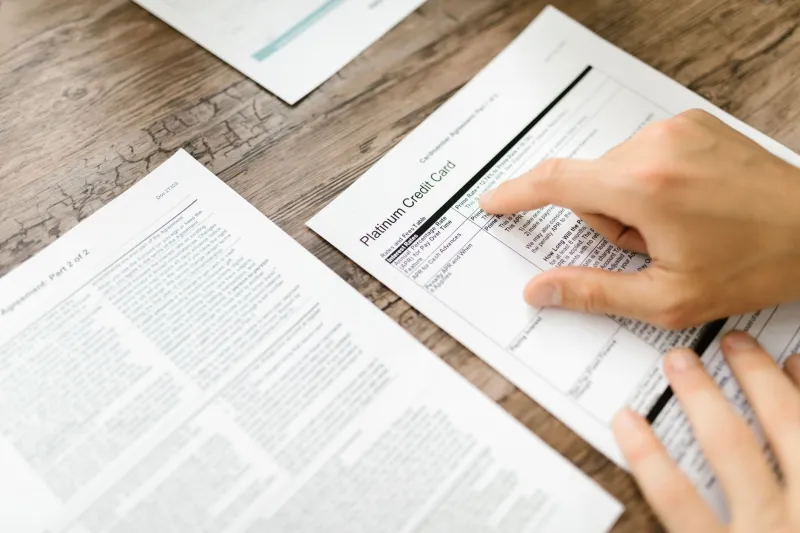
Before a permit application is stamped, filed, or rejected, it passes across a counter — literal or digital — and lands in front of a government employee whose job is to process it. These clerks, examiners, and licensing technicians are rarely quoted in business advice columns, yet they hold more practical knowledge about why applications fail than most consultants. Their vantage point is worth understanding, because the difference between a two-week approval and a two-month delay often comes down to details the applicant never thought mattered.
The Rejection Patterns Clerks See Every Week
Ask anyone who processes business licenses what sends an application back, and the answer is rarely a dramatic legal problem. It is usually something small and avoidable. The most common culprits, according to staff at city and county offices across the country:
- Incomplete business entity information. Applicants list a trade name but not the registered legal entity, or vice versa. Clerks cannot match the application to Secretary of State records, and the file stalls.
- Mismatched addresses. The mailing address, physical location, and registered agent address are treated as interchangeable. They are not, and inconsistencies flag an application for review.
- Expired supporting documents. A certificate of good standing or a state tax clearance letter submitted past its typical 30- or 60-day validity window will bounce, even if everything else is perfect.
- Wrong application version. Municipalities revise forms more often than applicants expect. Downloaded PDFs saved from a search engine months earlier are a recurring headache.
- Signatures by the wrong party. Applications signed by a manager, spouse, or bookkeeper — rather than an owner or authorized officer — are returned without exception.
None of these errors reflect badly on the underlying business. They simply create work for the reviewer, and work creates delay.
The Myths That Refuse to Die
Clerks report hearing the same misconceptions so often that they can recite them from memory. Three stand out.
"If I submitted it, the clock is running." In many jurisdictions, an application is not considered complete — and the statutory review period does not begin — until every required attachment and fee is received. A business owner who believes they filed in March may discover in May that the review never officially started.
"Someone will call me if something is wrong." Not always. Some offices send letters that end up in junk folders or at old addresses. Silence, as we have noted before on this site, is frequently a signal that something needs attention, not reassurance that all is well.
"The clerk can tell me whether I'll be approved." Front-line staff can explain requirements and confirm completeness, but they cannot pre-judge an outcome or offer legal interpretations. Pressing them for predictions wastes everyone's time and sometimes sours a relationship that could otherwise work in the applicant's favor.
Preparation as a Form of Persuasion
There is an unglamorous truth in permit processing: applications that are easy to review tend to move faster. Reviewers handle large caseloads, and a file that answers questions before they are asked simply rises to the top of the workable pile.
Practical steps that consistently help:
- Read the checklist twice, then follow it in order. Requirements documents exist because reviewers use them. Applying in the sequence listed prevents the most common sequencing problems, such as submitting a form that requires an inspection sign-off before the inspection has been requested.
- Bundle your documents deliberately. A single PDF or packet, labeled clearly, with the entity name matching the application exactly, is noticeably faster to process than a scatter of attachments.
- Verify entity details against state records the same day you apply. A two-minute check of the Secretary of State's business search catches name and status discrepancies while there is still time to fix them.
- Ask clarifying questions before submitting, not after. A short email to the licensing office — specific, polite, and referencing the exact form — often prevents a rejection cycle entirely.
Why Courtesy Is Not a Trivial Matter
It is fashionable to dismiss soft factors as irrelevant to bureaucracy. That view understates how these offices actually function. Clerks who know an applicant has been responsive, accurate, and professional are quicker to pick up the phone when a small fix is needed rather than issuing a formal rejection and resetting the timeline. In jurisdictions with discretionary review steps, a well-prepared applicant presents fewer reasons for hesitation.
This is not about charm. It is about reducing friction in a system where friction equals time, and time equals money. A rejected application typically means new fees, a new queue position, and weeks of lost operating days.
When a Rejection Happens Anyway
Even meticulous applicants are denied sometimes — zoning conflicts, code interpretations, and prior violations attached to a property can all surface unexpectedly. A denial is a procedural event, not a verdict on the business. Most jurisdictions provide a defined appeal or reconsideration process with strict deadlines, often 10 to 30 days from the written decision.
Applicants who handled the original application carefully are, in practice, better positioned to appeal successfully. Their files are organized, their communications are documented, and they understand precisely what the reviewing office flagged. That record becomes the foundation of a strong reconsideration request or formal appeal.
The Takeaway
The people behind the counter are not adversaries, and they are not obstacles. They are processors of information, and they respond to quality of information. Business owners who internalize that — who treat a permit application less like a hurdle and more like a professional submission to a busy colleague — tend to see approvals arrive sooner, rejections less often, and appeals, when necessary, land on firmer ground.
Good paperwork, it turns out, is a form of respect for the process. And the process, more often than not, returns the favor.