Grandfathered Today, Gone Tomorrow: Buying Into a Building's Permit History
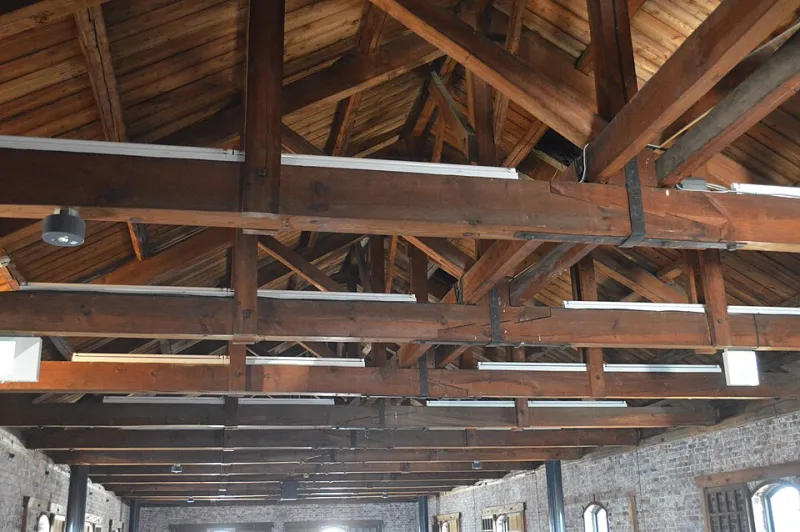
Photo: Asturio Cantabrio, CC BY-SA 4.0, via Wikimedia Commons
Commercial real estate in the United States carries memory. A warehouse built in 1954, a storefront converted to a restaurant in 1987, a workshop expanded without drawings in 1996 — every alteration, approved or not, becomes part of the property's regulatory record. When a business acquires or leases such a building, it inherits that record along with the square footage.
For buyers and tenants, the most misunderstood concept in this space is the so-called "grandfathered" status: the legal principle that a property which lawfully violated a newer rule may continue operating under the old rules. It sounds like protection. In practice, it is conditional, fragile, and frequently misunderstood by the people relying on it.
What Non-Conforming Use Actually Means
The formal term is "non-conforming use" or "non-conforming structure." Under most municipal zoning codes, if a building's layout, occupancy, or operation was legal when established but later conflicts with an updated ordinance, the local government generally cannot force immediate compliance. A machine shop operating in a district rezoned as retail, or a building whose parking count predates modern requirements, may lawfully continue as-is.
But the protection attaches to the property's lawful history, not to the owner's convenience. Municipal codes typically preserve non-conforming rights only when three conditions hold:
- The use or structure was lawfully established under the rules in effect at the time.
- The use has been continuous — abandoned or discontinued uses usually lose protection after a set period, often six months to two years depending on the jurisdiction.
- The non-conformity has not been expanded or intensified beyond its original scope.
Missing paperwork is where trouble begins. If the prior owner cannot document when the use began or show permits for past renovations, proving lawful establishment falls on the new occupant.
How Grandfathered Status Evaporates
Non-conforming rights are narrower than most business owners assume. Common ways the protection ends include:
Abandonment. If a previous tenant vacated and the space sat dark for longer than the code's discontinuance window, the non-conforming use may already be dead. A new restaurant in a former bar's space may discover the liquor-era occupancy no longer exists.
Substantial destruction. Many codes void non-conforming status if the structure is damaged beyond a threshold — frequently 50% of replacement value — requiring full compliance upon rebuild.
Change of use. Converting a warehouse to an fitness studio, or retail to food service, usually triggers current code review for parking, accessibility, ventilation, and egress. The grandfather clause rarely survives a change in occupancy classification.
Expansion and renovation. Adding square footage, enlarging a kitchen, or even certain interior alterations can be treated as "expanding the non-conformity," requiring the owner to bring the entire building — or a defined portion of it — up to current standards.
Expiration of legacy permits. An open building permit from 2009 that was never finaled does not quietly disappear. It sits on the municipal record, and lenders, insurers, and code enforcement officials routinely flag it during transactions.
Open Violations and Unclosed Permits: The Hidden Ledger
Beyond zoning, older buildings often carry open code violations — fire safety citations, elevator inspection lapses, unpermitted electrical work discovered during a prior renovation. These items attach to the property, and in many jurisdictions, to the new owner once the deed transfers. Municipal liens for unpaid code penalties can follow the building, not the person.
Tenants are not immune. While a lease may assign responsibility to the landlord, a code enforcement action does not distinguish between parties when it orders a business to close until violations are corrected. A tenant who cannot operate cannot pay rent, regardless of whose name was on the violation notice.
A Due Diligence Checklist Before You Sign
Anyone considering an older commercial property should treat the permit record as seriously as the roof. At minimum:
- Pull the municipal permit history. Request a records search from the building department covering all open permits, closed permits, and violations on file. Many cities offer this as a formal "permit history letter."
- Request a zoning verification letter. This document, issued by the local zoning office, states whether the current or intended use is permitted and whether any non-conforming status is officially recognized.
- Check for open violations and liens. Fire marshal records, health department citations, and code enforcement files should all be reviewed.
- Verify certificate of occupancy. Confirm the CO matches the intended use and occupancy load. A mismatch is one of the most common deal-killers discovered late.
- Investigate the discontinuance clock. Ask how long the space was vacant before your tenancy. If the answer exceeds the local abandonment window, get the non-conforming status confirmed in writing before committing.
- Allocate responsibility in the contract. Buyers should negotiate who cures open violations; tenants should ensure leases address permit compliance, closure of legacy permits, and rent abatement if enforcement interrupts operations.
When Problems Surface After Closing
Discovery of a legacy violation after a transaction is not necessarily the end of the road. Most jurisdictions offer administrative appeal processes, variance applications for zoning relief, and permit legalization pathways for unpermitted work — typically involving plans review, inspection, and fees. Owners who act promptly and cooperatively generally fare better than those who ignore notices.
The deeper lesson is preventive. The permit history of a building is a fixed fact; the financial consequences of ignoring it are not. A modest investment in records research and legal review before signing routinely saves businesses from six-figure compliance surprises after the keys change hands.
Older buildings offer character, location, and often favorable pricing. They also offer history — and in American permitting, history is always on the record. Read it before you inherit it.